
This year’s crop of premium smartphones largely focuses on refinements and iterative upgrades. However, that is not quite the case with the HONOR Magic9 Pro Max. The recently launched handset packs a number of changes, both inside and out.
Most of said changes concern the device’s imaging system, though there is the obligatory chipset upgrade, and some minor improvements in other areas. With all these updates, the phone has shaped up to be one of the more interesting additions to the series.
What Am I Looking At?
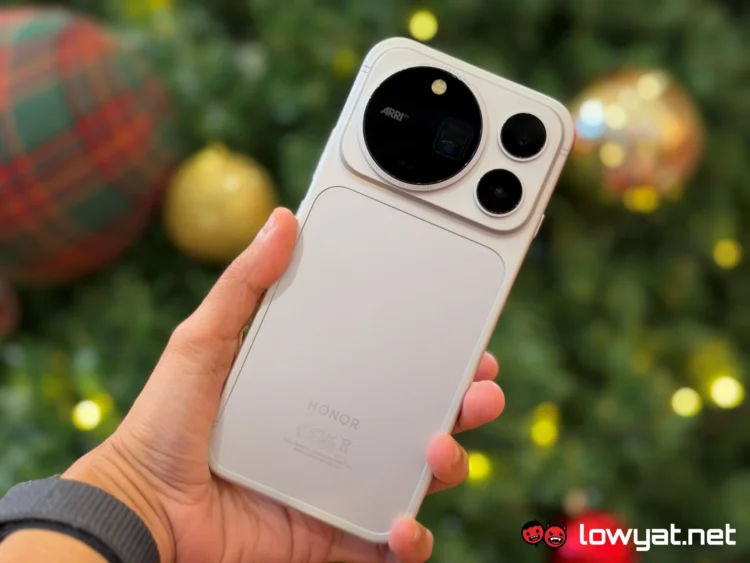
 If you were to line up all the candybar phones in the Magic lineup thus far, the current model would stand out as the odd one out. Gone is the massive centre-aligned camera module, and in its place is a now-familiar rectangular plateau. Like many phone makers, HONOR is no stranger to drawing inspiration from a certain bitten fruit brand. That said, the Magic9 Pro Max adds its own flair. The three rear lenses take up the entirety of the module, and the overall look is meant to resemble ARRI cameras. The German firm’s branding is also prominently displayed here, highlighting the collaboration.
But we’ll talk about the fruits of that partnership later. In the meantime, let’s get into the rest of the phone. The all-metal unibody build gives the phone not just a different look, but also a different in-hand feel from its predecessor. It’s heavier, with much of the weight concentrated in its top-half.
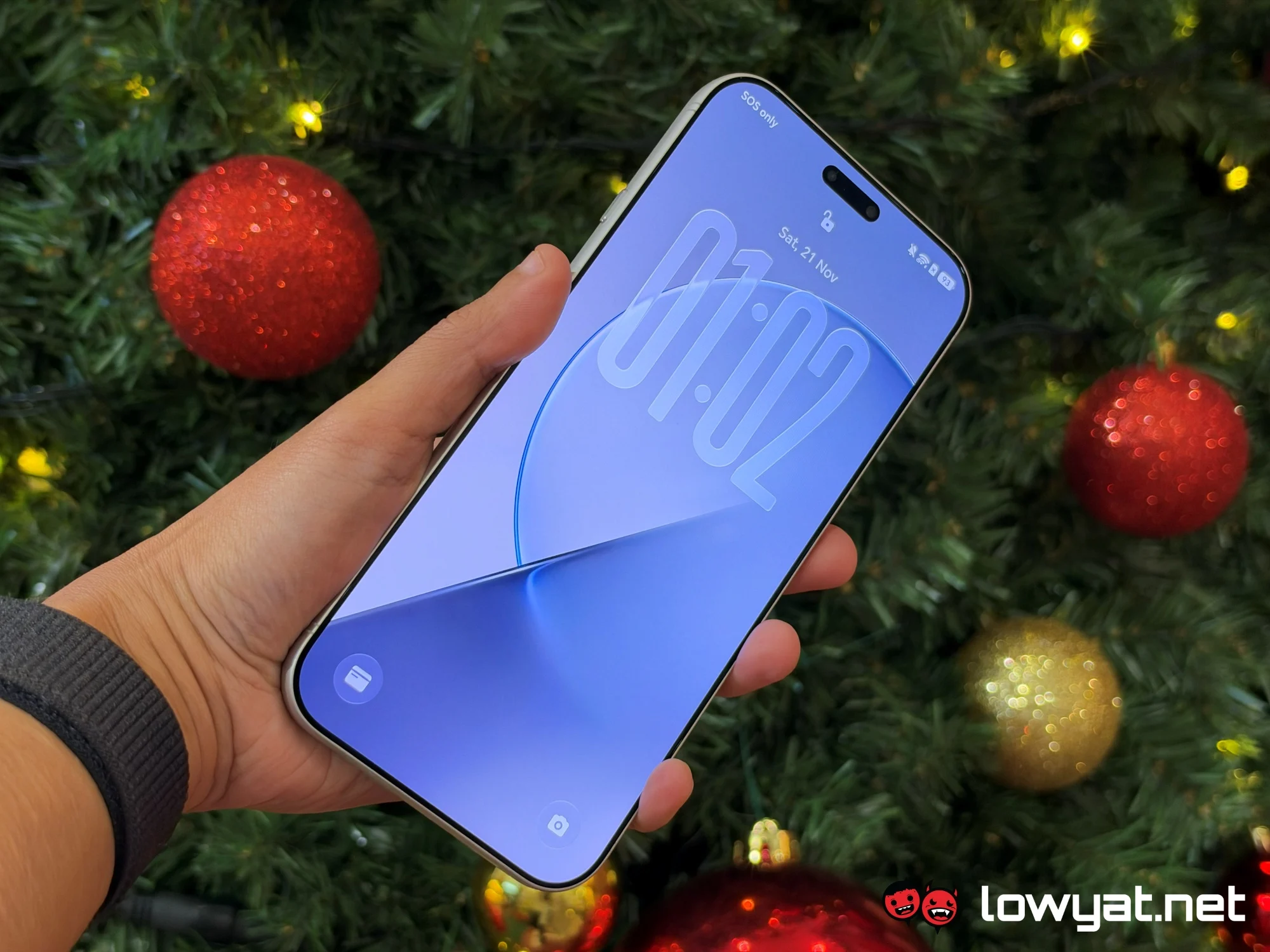
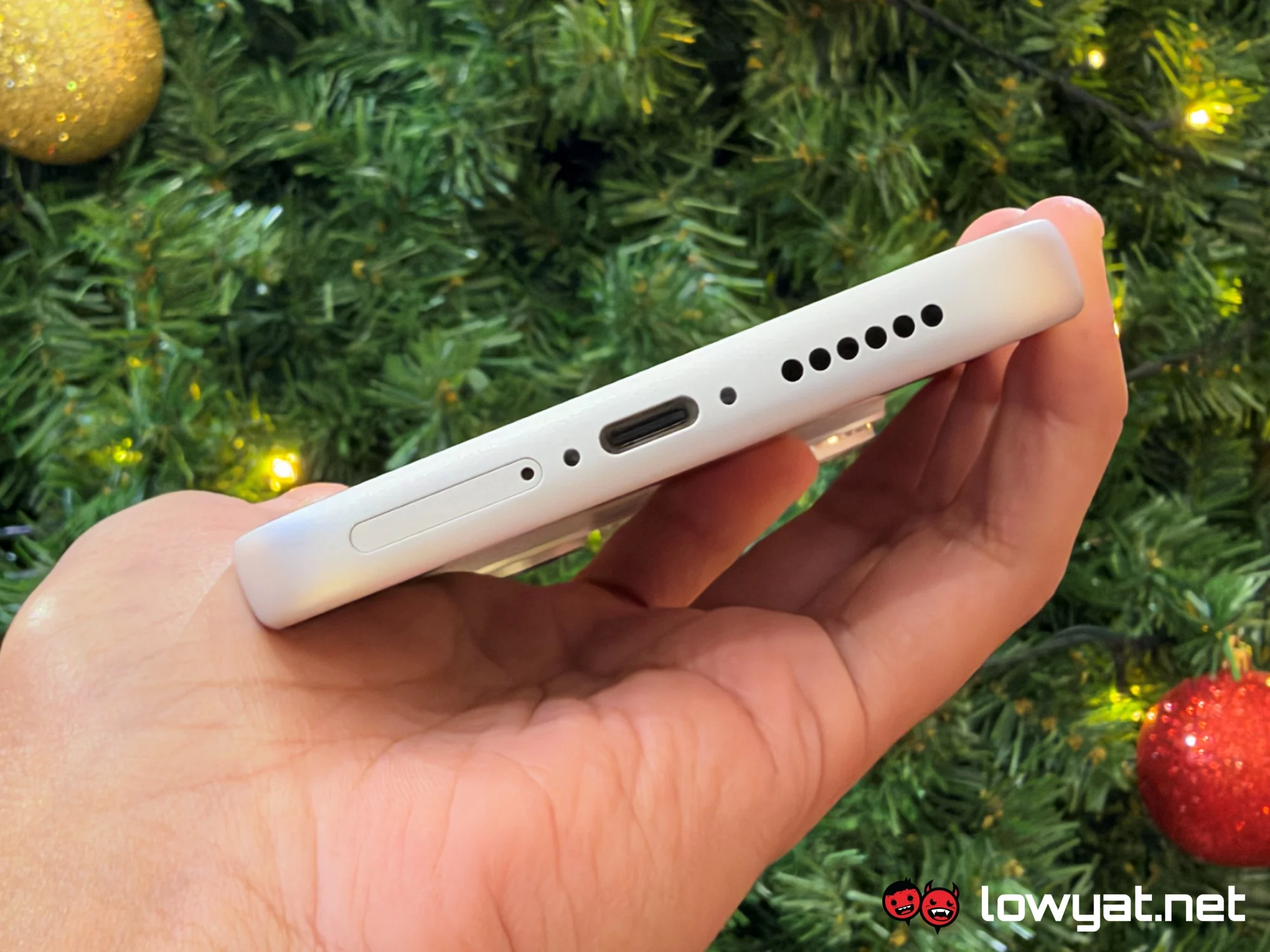
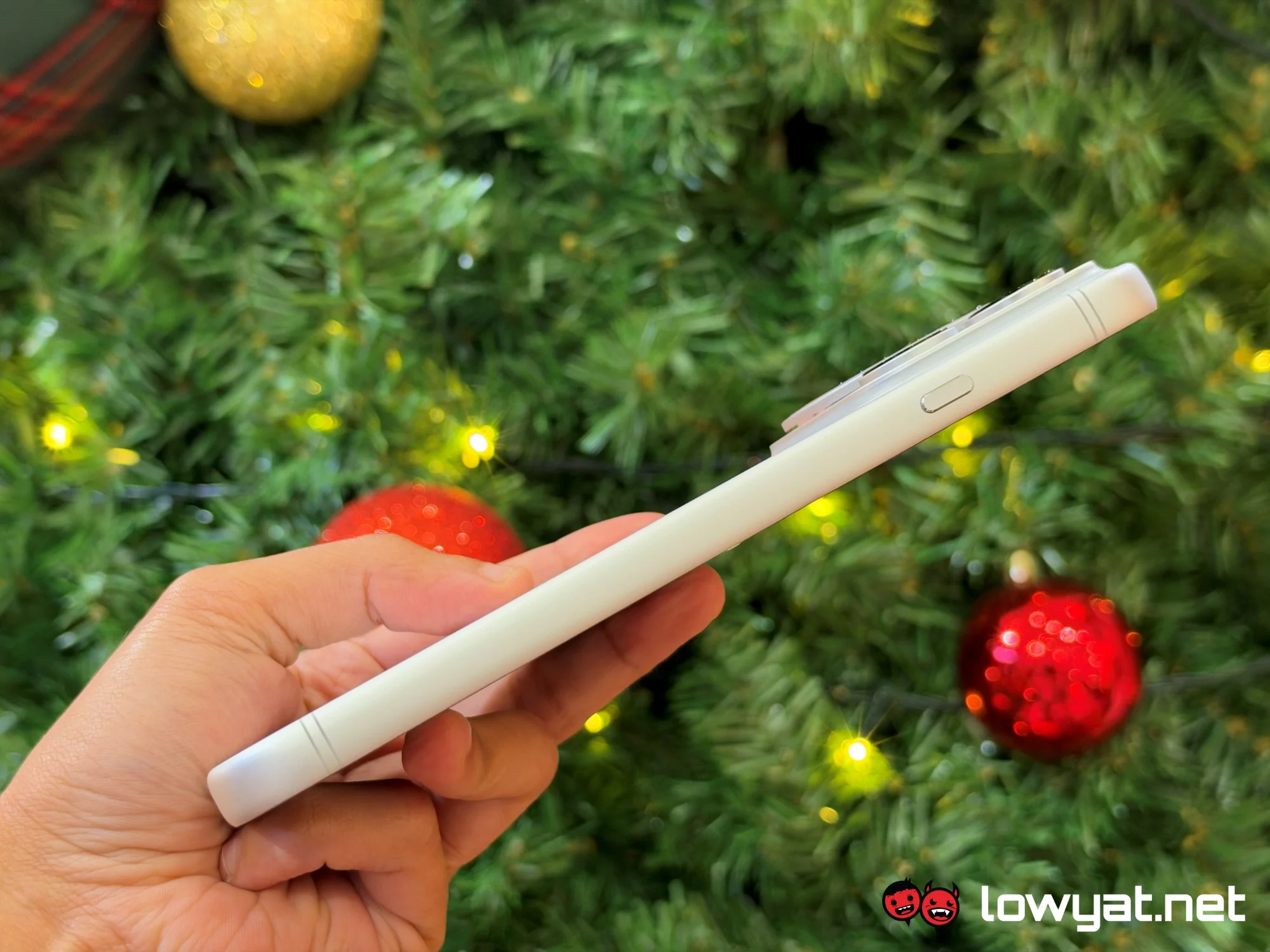
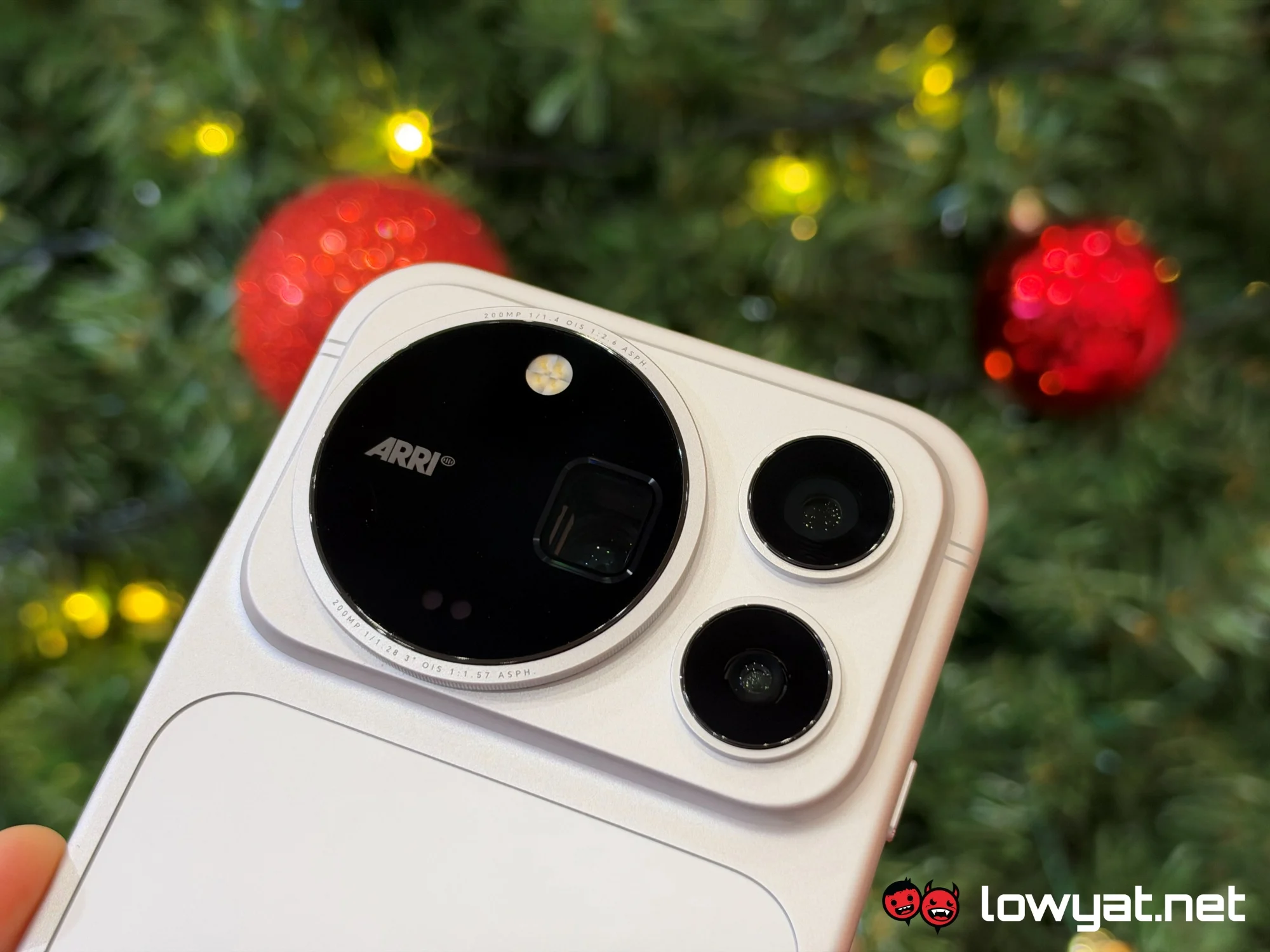
That said, it doesn’t feel terribly unbalanced, though one-handed operation may be awkward given the phone’s size. If you don’t have long fingers, reaching the dedicated AI button might require some stretching, since it’s a fairly minuscule key placed close to the top on the left side. Meanwhile, the power button and volume rocker are on the right side where you’d expect them to be on an Android phone, and further down is the dedicated camera control key.
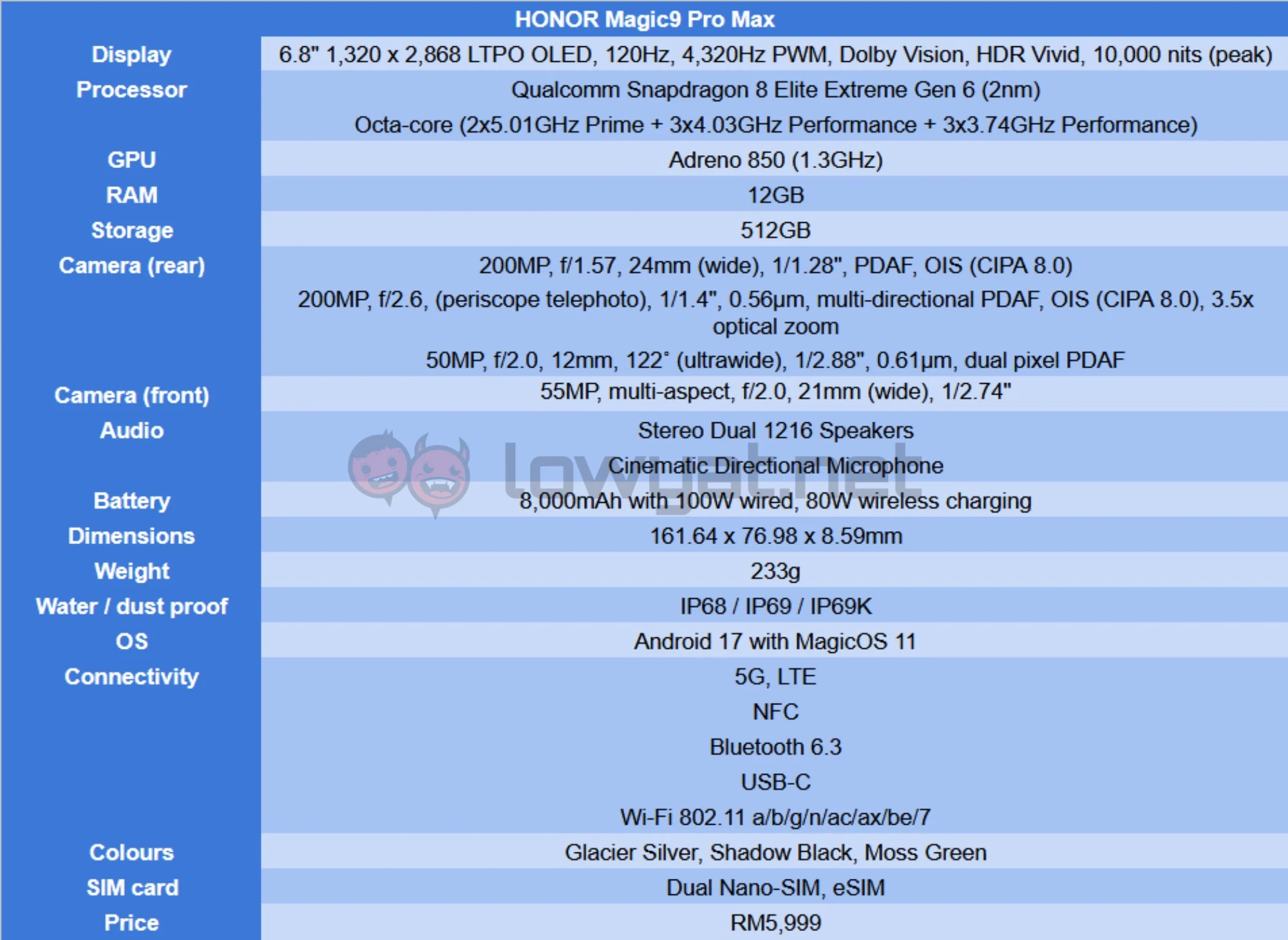
The 6.8-inch display is brighter than the last generation, boasting 10,000 nits of peak brightness. It’s certainly enough to keep the screen contents visible when you’re outdoors on a sunny day. Of course, the usual fare of features for comfortable viewing and minimising eye strain are on board, so you can continue doomscrolling into the wee hours of the night.
What’s Good About It?
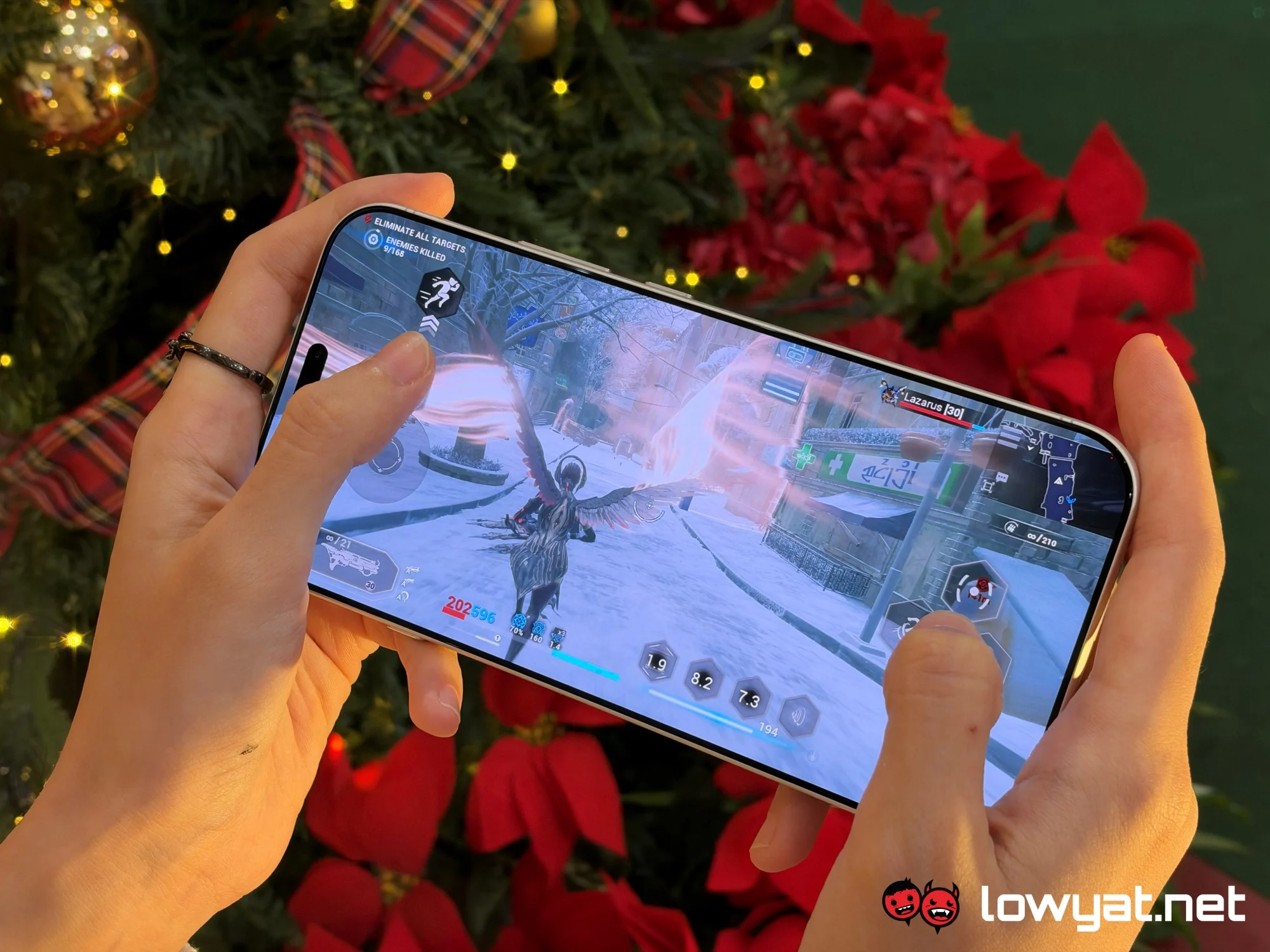 Power and performance are arguably among the most important aspects of a flagship smartphone, and this one is no different. At its core is the Snapdragon 8 Elite Extreme Gen 6, Qualcomm’s top-of-the-line offering for this generation. For the most part, the device runs smoothly and effortlessly, though it would be alarming if that wasn’t the case at this point. It handles your day-to-day tasks without much fanfare, and switching between apps is quick and snappy.
It can also keep up with demanding tasks like gaming. Based on my testing, titles like Warframe and Monster Hunter Outlanders run well enough on high graphics settings, easily attaining 60fps. In the case of the former, the phone can consistently handle dense and detailed tilesets like Höllvania, even with constant swarms of enemies in Steel Path missions. Similarly, you can navigate the open worlds without much issue. That said, the device does have trouble sustaining this smooth performance for long. You may start to see some lagging and stuttering after about 30 minutes, and that is a generous estimate.
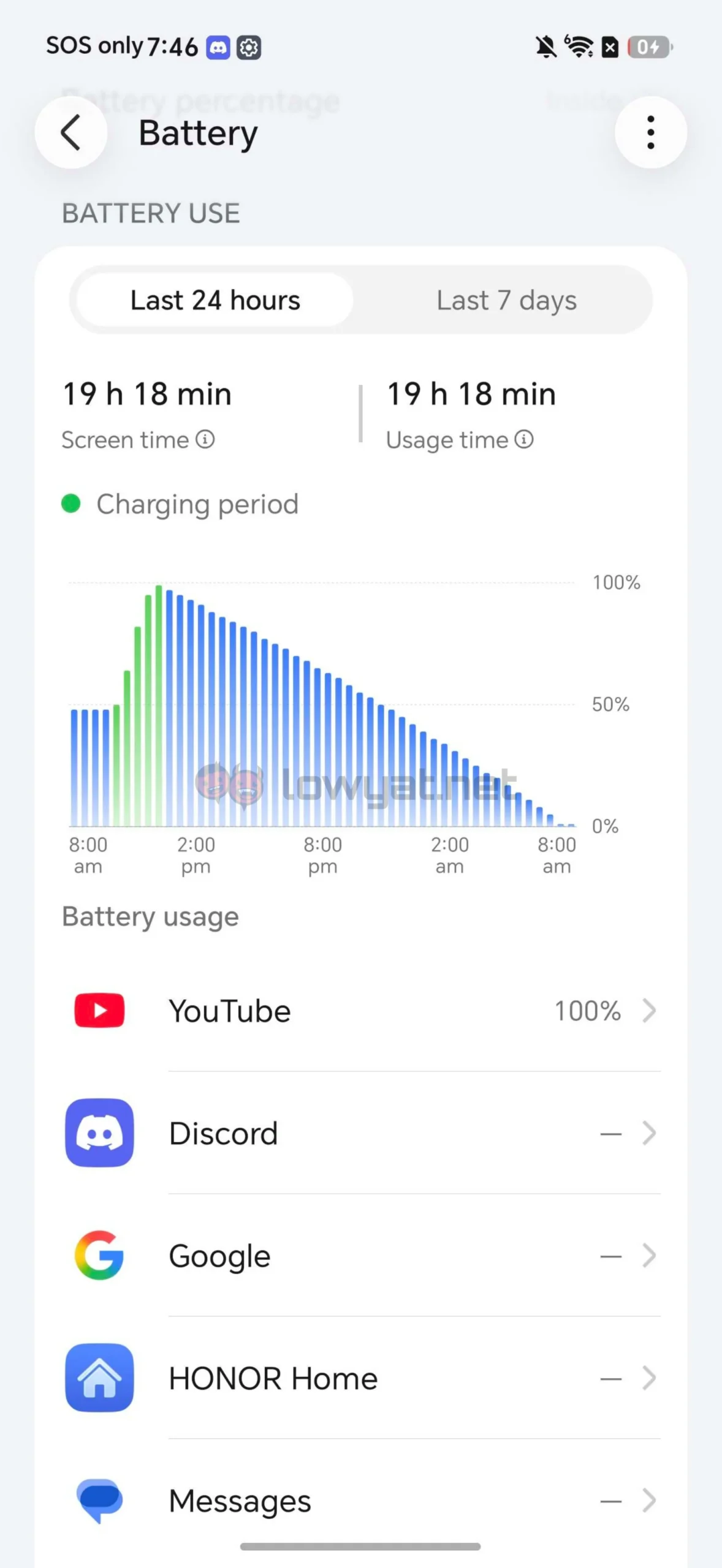
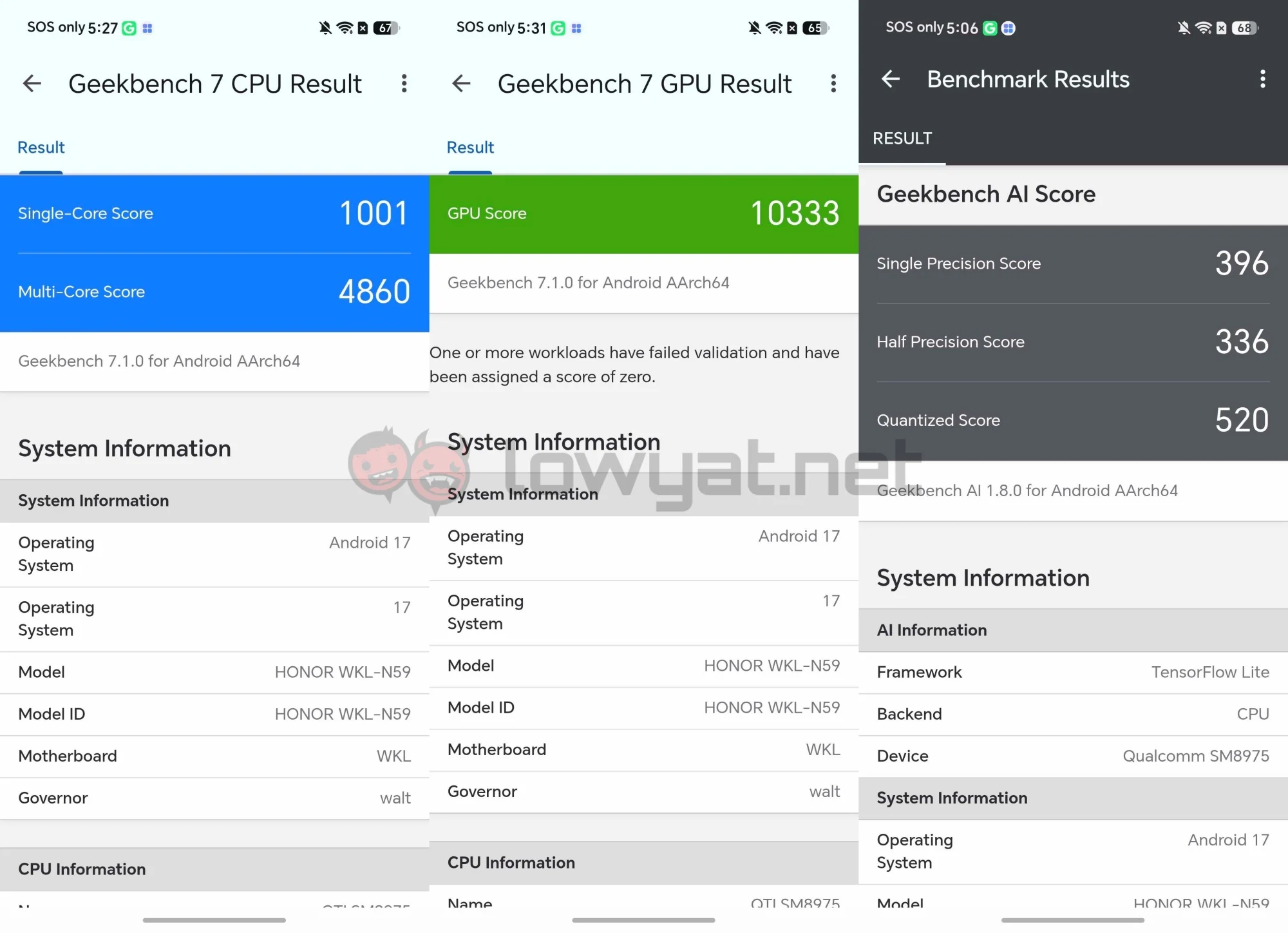
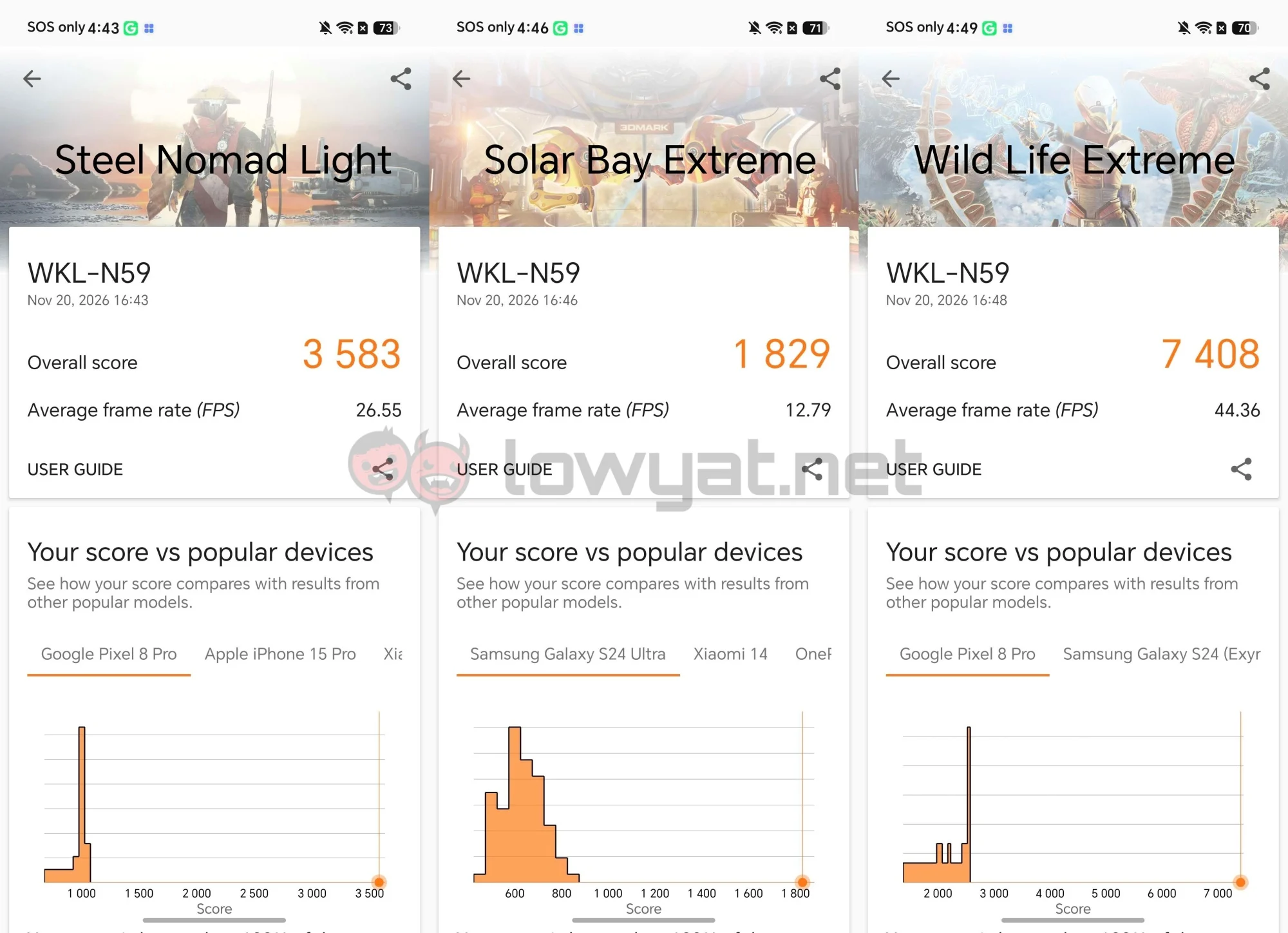
As for battery, the Magic9 Pro Max gets a bump in capacity, going from 7,100mAh to 8,000mAh. It lasted a little over 19 hours during the usual video streaming test, and while it isn’t exactly the longest we’ve had, it’s arguably still sufficient for any movie marathons. As a daily driver, you can probably end the day with about 30% battery after moderate use. That would include snapping cat photos, watching YouTube videos, and maybe a little bit of casual gaming. Of course, that number could go higher or lower depending on how much time you devote to these activities.
Camera And Image Samples
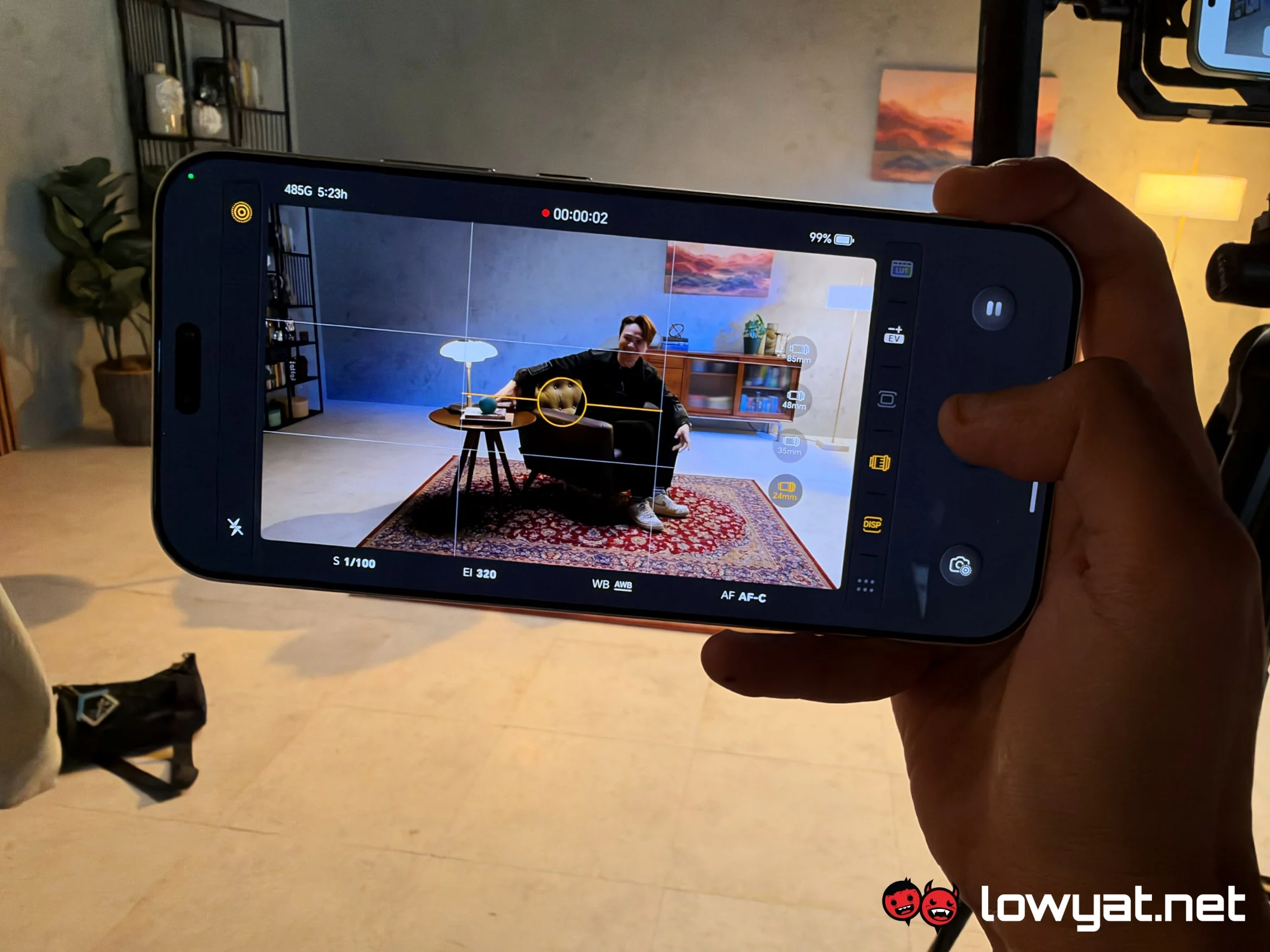 The real meat and bones of the phone is the upgraded camera system, which features a 200MP 1/1.2-inch main camera, a 200MP periscope telephoto lens with up to 3.5x optical zoom, and a 50MP ultrawide sensor. Then there’s the aforementioned collaboration with ARRI, which promises “cinema-grade” footage when using the dedicated ARRI Cinema Mode. This is strictly for videos, though, and not traditional still photography.
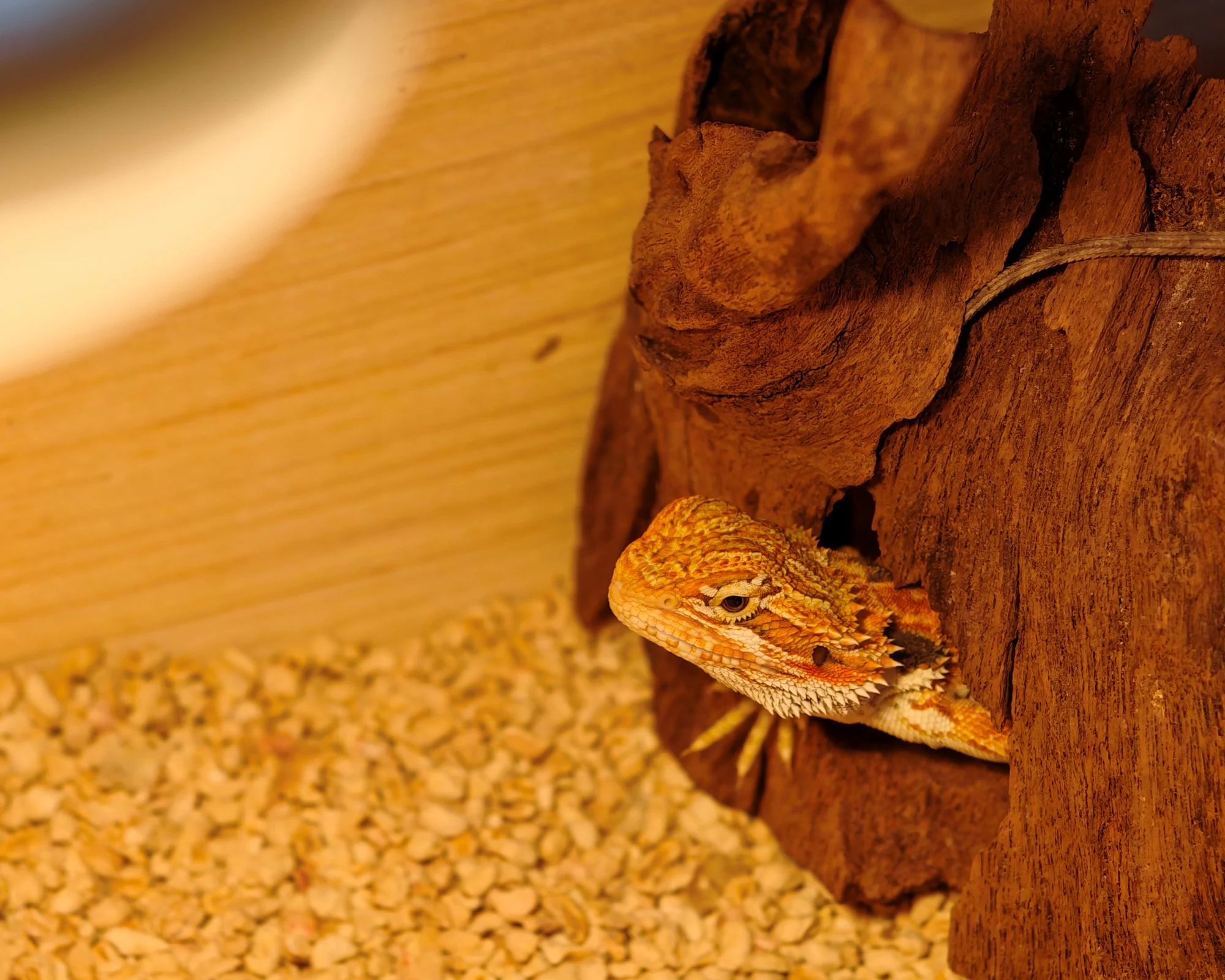
So, when taking pictures, you’re still getting the distinctive HONOR look, which is best described as intense. You get crisp images with a lot of detail, with fine textures still clearly visible. Colours lean more on the vibrant and vivid end, with a high contrast between light and shadow. However, it does seem like the brand is trying to strike a balance between bold and natural, and it’s getting closer to achieving that. Bright hues like red and orange are a little less punchy, and I do mean that in a good way. Skin tones also turn out more true-to-life rather than sallow.








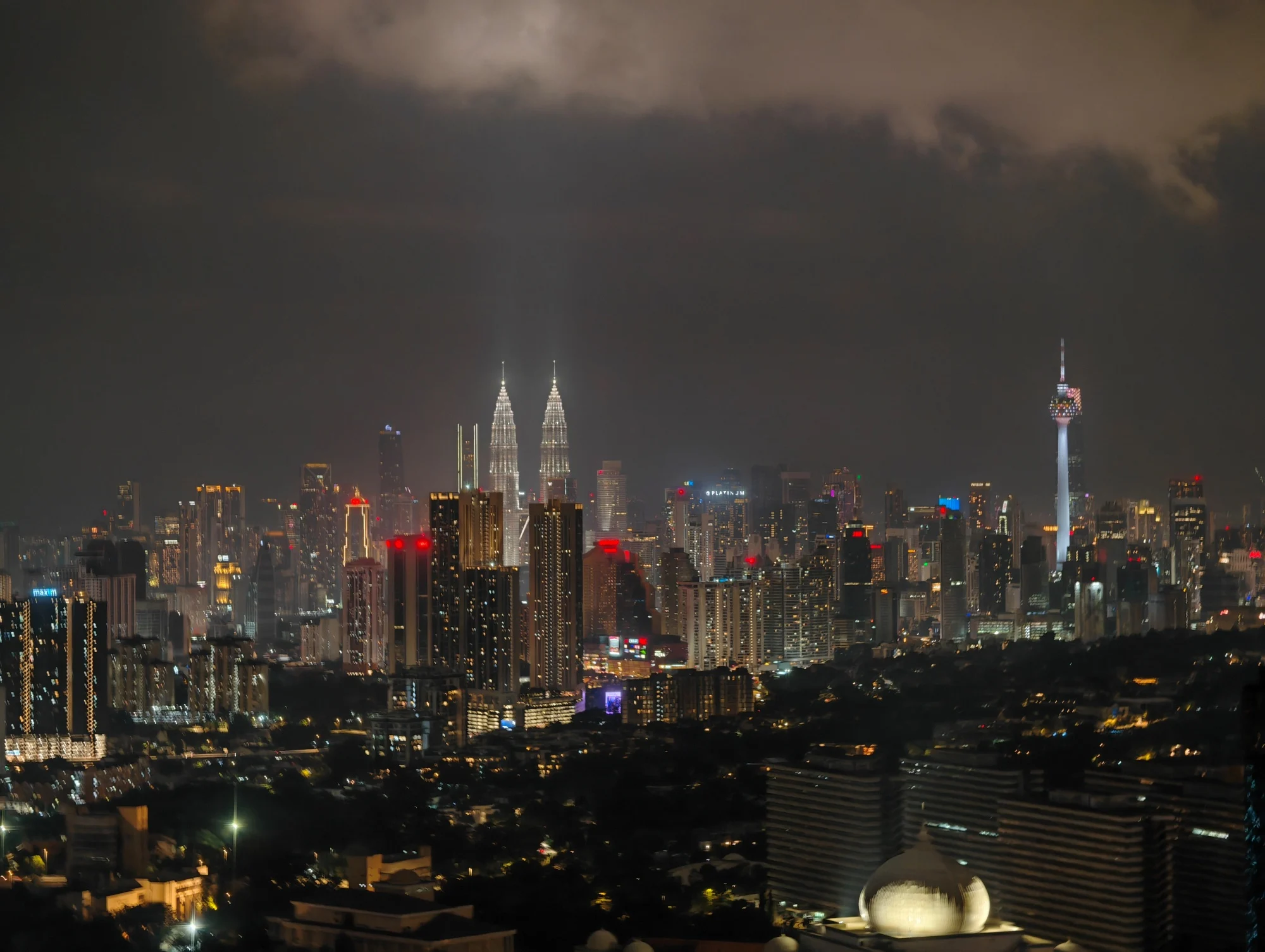
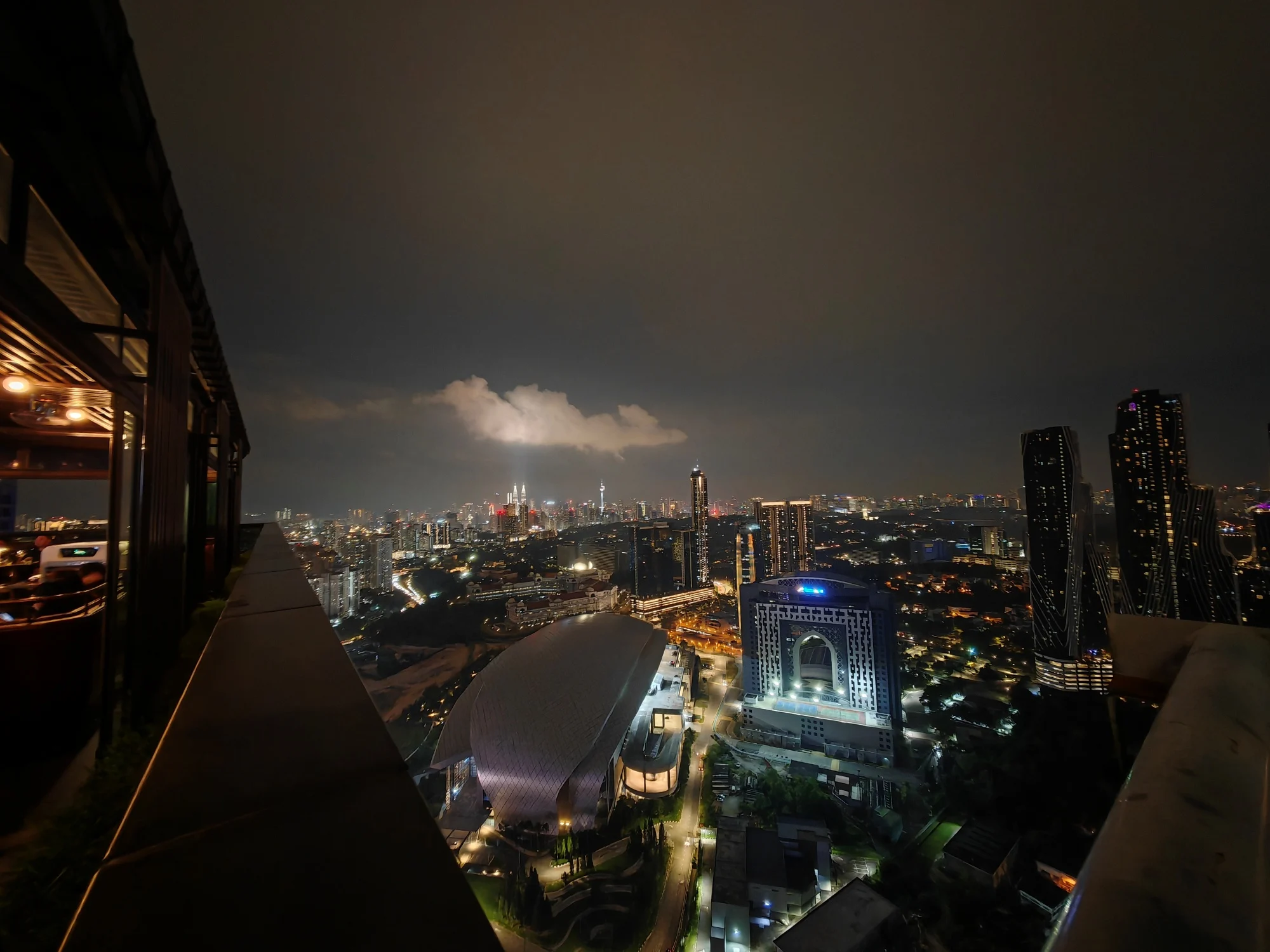

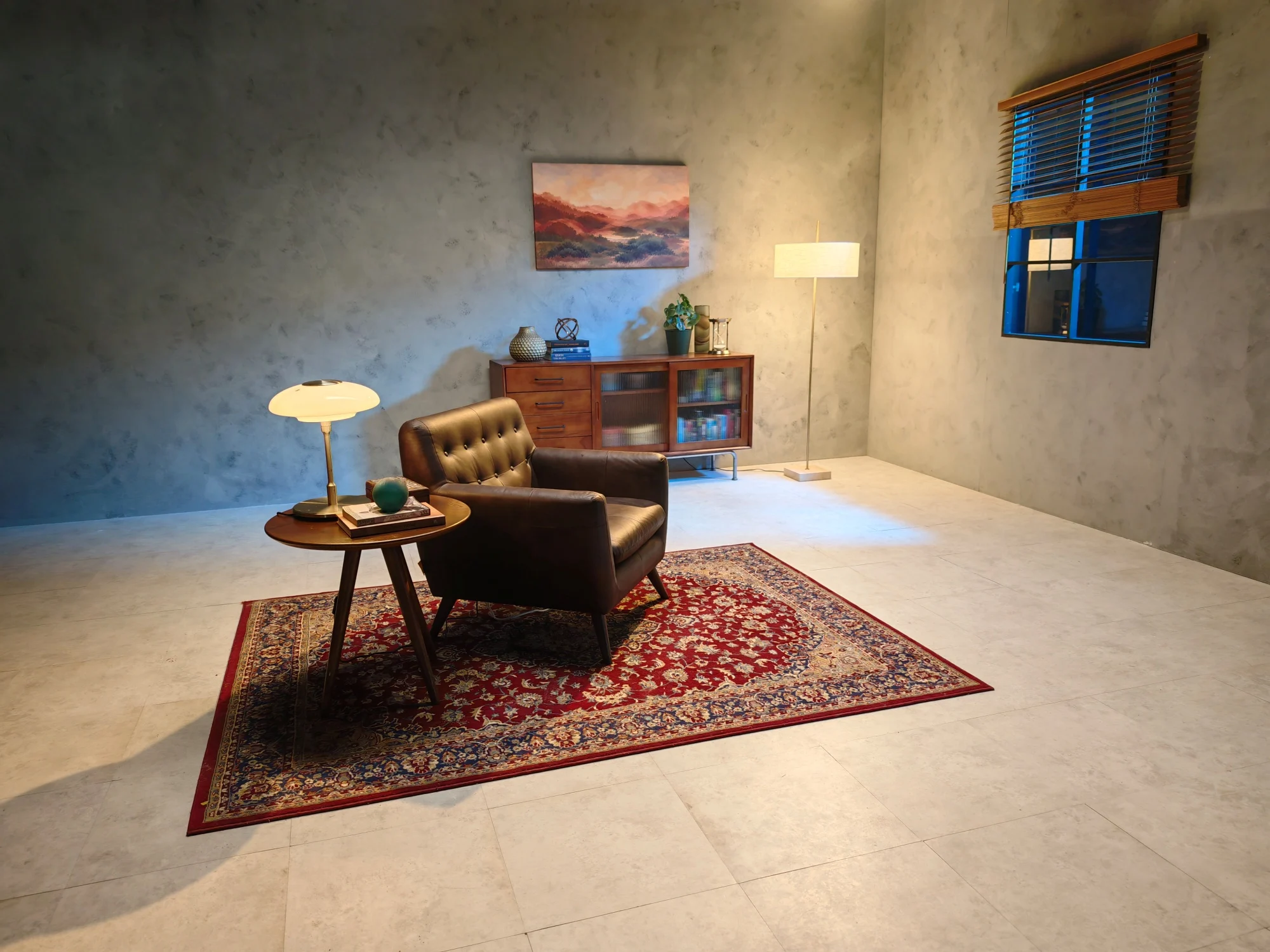

All of this applies to the standard video mode too. Switching to the ARRI Cinema Mode, you get a slightly different story. Now, this feature isn’t exactly new, as it was first implemented in the Robot Phone earlier this year, and there haven’t been any additions since then. But that is to be expected, given the short gap between the two devices. Either way, you get a separate interface with easy access to settings such as shutter speed and exposure.
The highlight of this mode is the ability to record LogC3 footage. On its own, it looks grey and washed out as its function is to capture as much detail as possible. Video in this form is not meant to be used as is. Instead, a Look-Up Table, or LUT, is applied to convert those dull hues to livelier colours. This can be done directly on the phone using its native editor. By default, HONOR has included 14 built-in ARRI LUTs, but you can download and add more, including custom ones.



Essentially, the user has control over the final colour profile of the footage, so the end result can be as saturated or muted as one desires. The available presets do offer a softer overall look when compared to video recorded in standard mode. It’s a considerably different experience altogether, and you can achieve a movie-like atmosphere to some degree.
Regardless of the mode, you get access to a directional mic with settings for specific situations, including long-range and close-up shots. There are also options for voice isolation, which do a pretty decent job at removing background noise. You can also adjust the settings manually for more control over the audio.
What’s The Catch?
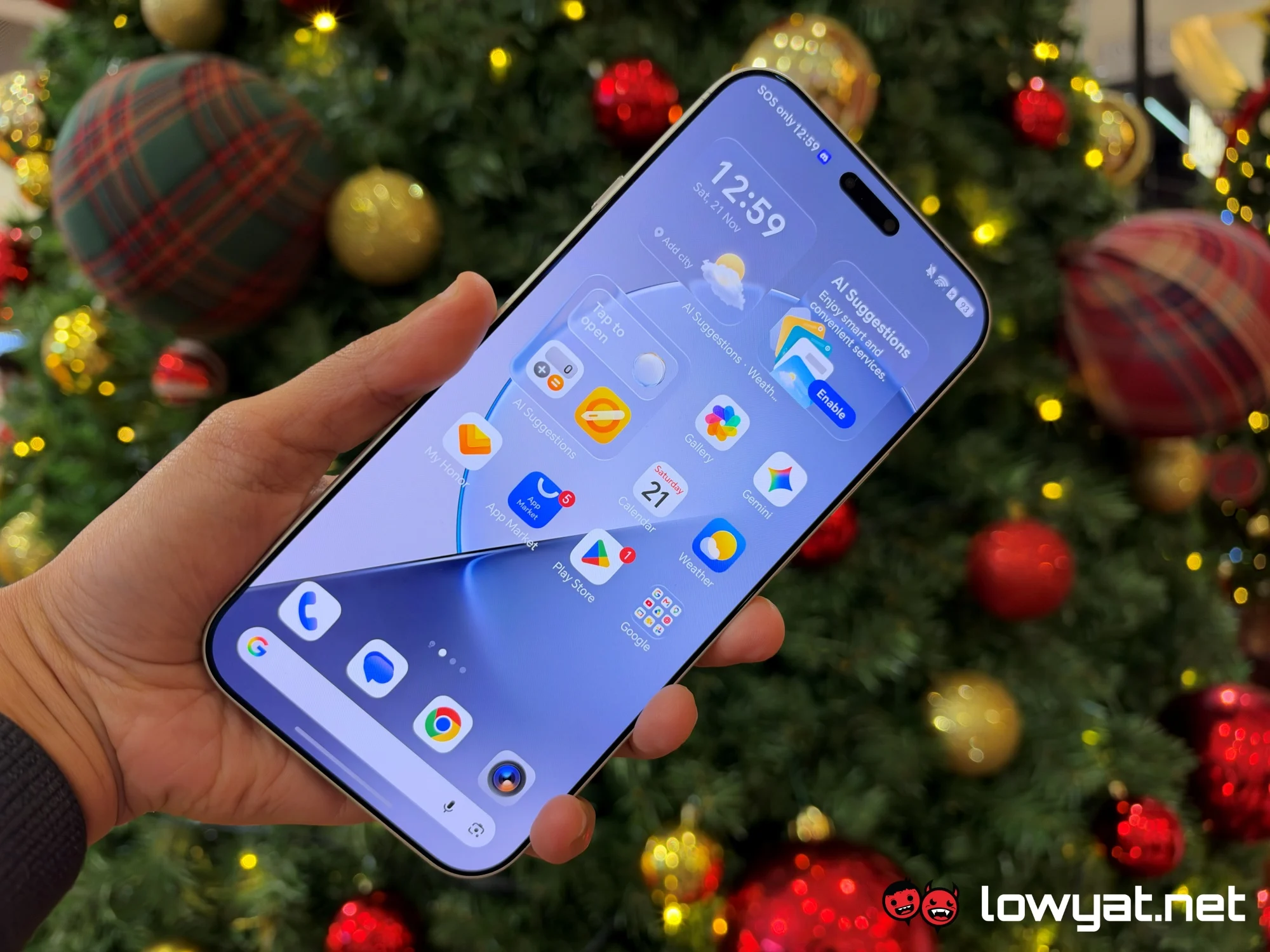 One of the more apparent issues is thermal management. The phone runs pretty hot pretty quickly. And it’s likely that high temperatures are what’s causing the hiccups during extended gaming sessions. Whatever cooling solution the device has on board isn’t quite enough to keep things running optimally.
Beyond that, the camera is also not without its share of problems. A few times during testing, the app would crash and refuse to launch. This issue seemed to crop up randomly, so it may not necessarily be heat-related. For what it’s worth, it doesn’t seem to happen frequently, and you can open the app again after a minute at most. It’s certainly inconvenient, though, especially if you’re shooting those blink-and-you’ll-miss-it moments.
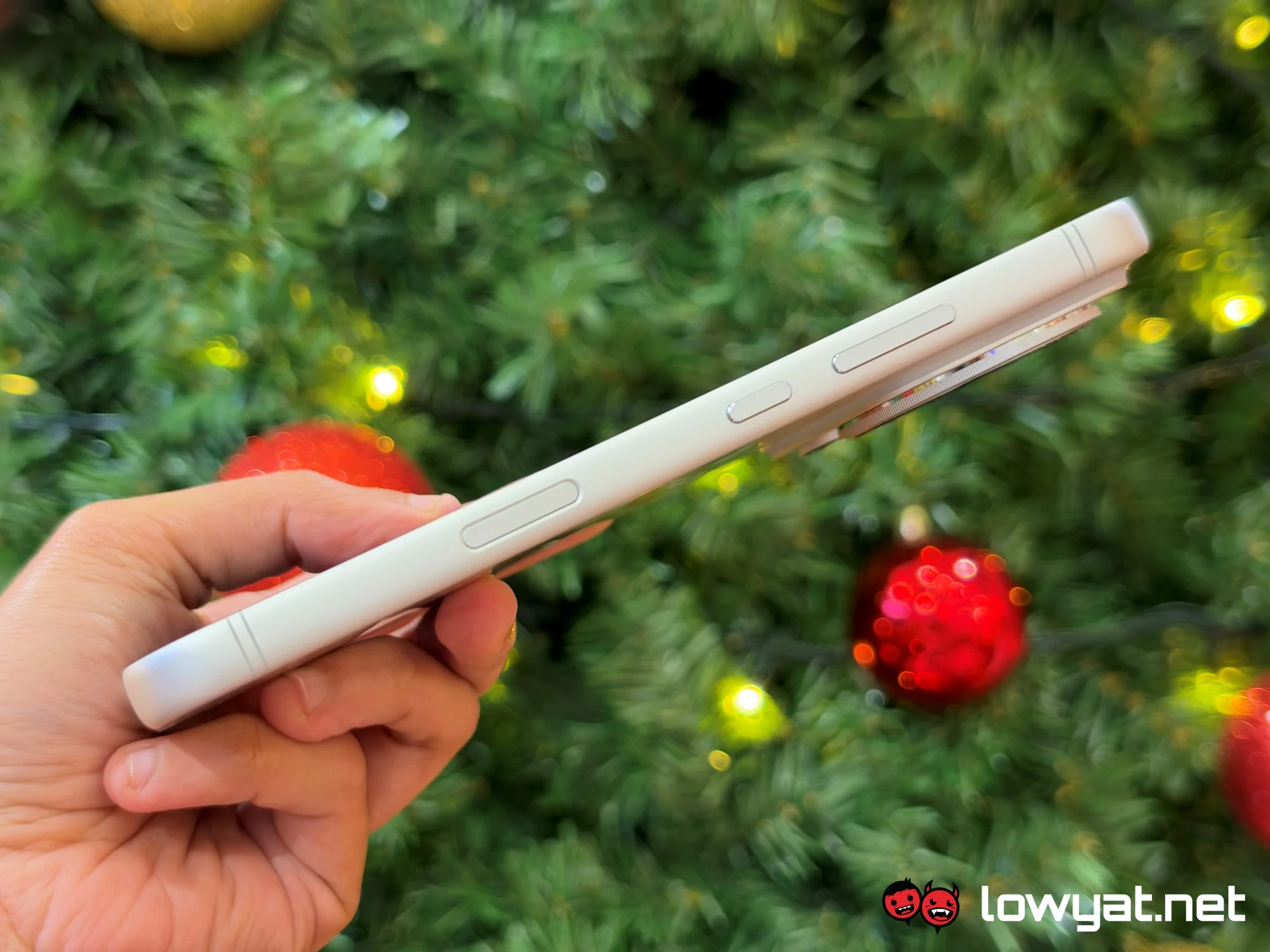 Speaking of which, the camera control key also feels awkward to use. It’s placed closer to the middle of the phone, so reaching it can be a bit of a chore. Another camera-related drawback is the fact that ARRI Cinema Mode doesn’t work with the ultrawide camera.
This final bit is probably more a matter of personal preference, but if you’re not keen on Apple’s Liquid Glass aesthetics, you probably won’t be a fan of MagicOS 11 either. The update pushes the translucent look even more, though there is a slider to adjust the intensity of the effect. Still, the UI does feel a little uninspired at this point.
Competition
Xiaomi 18 Pro Max
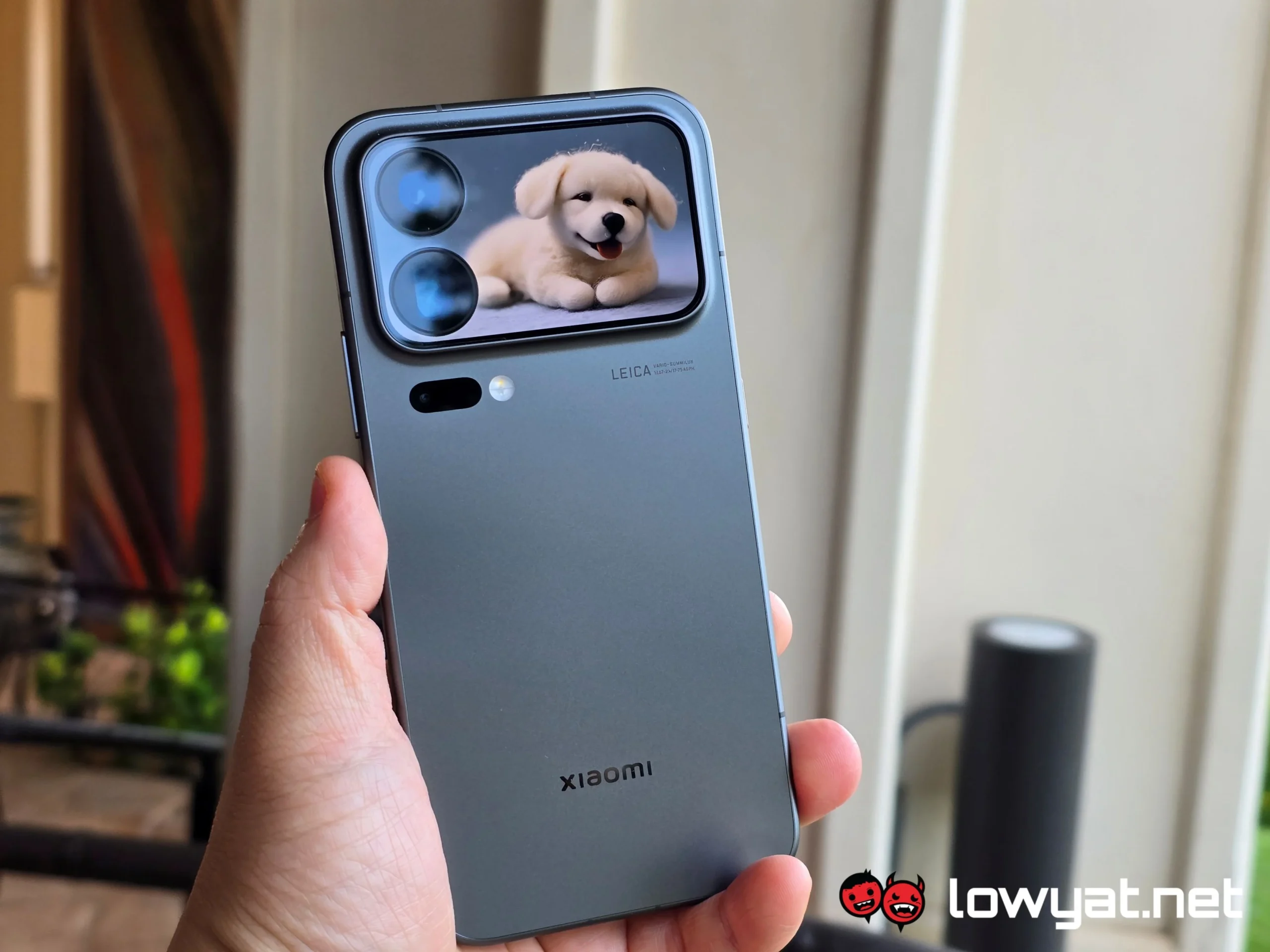 The Xiaomi 18 Pro Max got its local launch this month alongside its more modest sibling. One of the phone’s standout features is the 2.9-inch secondary display on the back. Over on the front, it sports a 6.9-inch screen with a 120Hz refresh rate, 4,000 nits of peak brightness, and a Privacy Display feature. Internally, it packs a Snapdragon 8 Elite Gen 6 SoC, 12GB of RAM, up to 512GB of storage, and a 7,050mAh battery.
Photography is handled by a dual 200MP Leica camera setup comprising a wide and a periscope telephoto lens. These are accompanied by a 50MP ultrawide shooter. For selfies, the 50MP shooter sits in a punch-hole cutout. That said, the rear cameras can be used for the same purpose, thanks to the secondary screen. As for pricing, it starts from RM5,999.
iPhone 18 Pro Max
 Apple’s latest flagship phone brings a few minor touch-ups, with the biggest change being a variable aperture for the main camera. Beyond that, you get a 6.9-inch display, the A20 Pro chip, 12GB of RAM, and a maximum of 2TB of storage. Its battery has a reported capacity of 5,391mAh.
On the imaging end, the phone comes with a triple 48MP main + periscope telephoto + ultrawide combo on the rear. Meanwhile, the front retains the 18MP square sensor. All this will set you back at least RM5,999.
Should I Buy It?
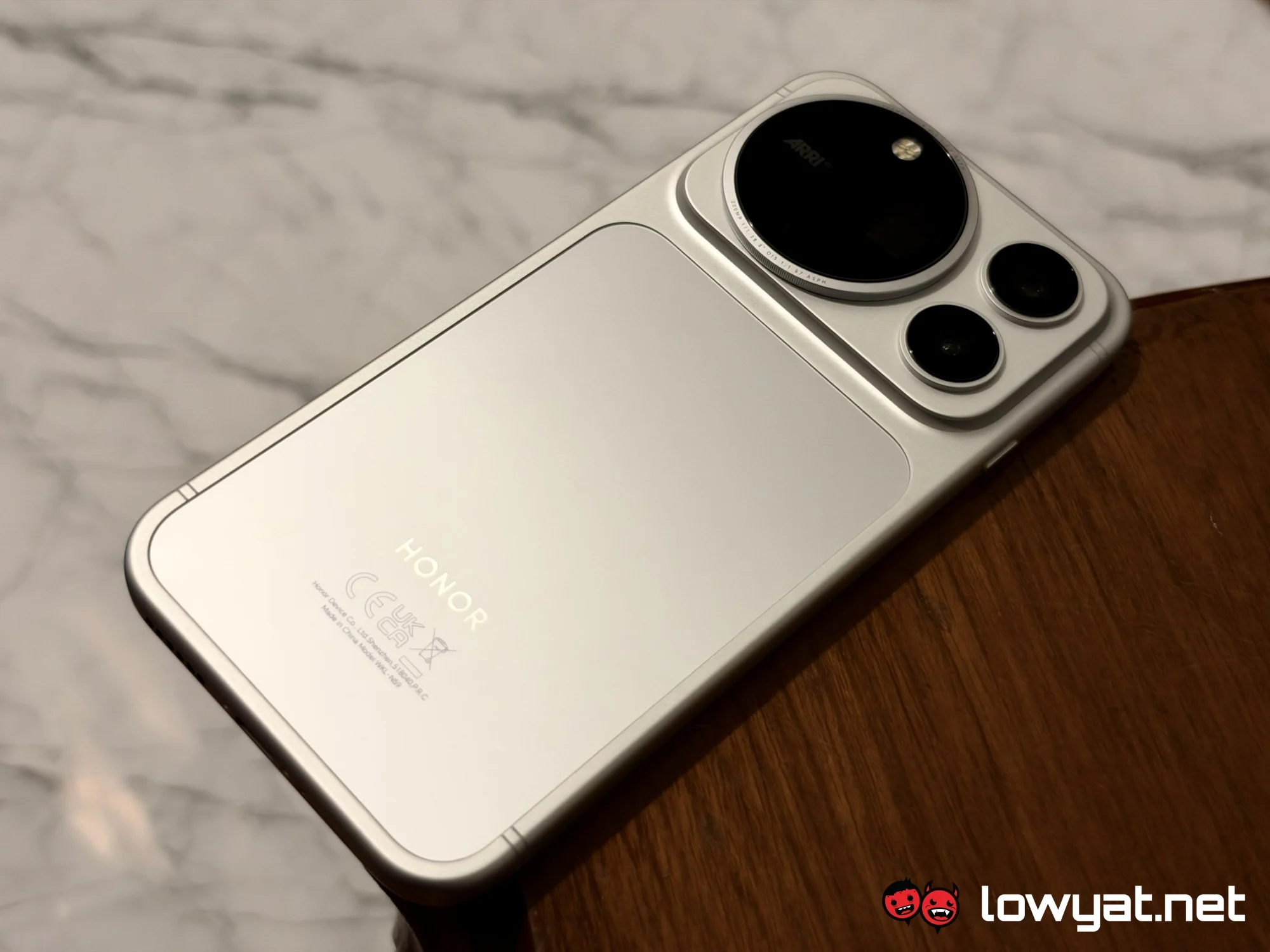 Priced at RM5,999, the HONOR Magic9 Pro Max is a great option for videography enthusiasts who want to achieve the look of an ARRI camera without having to invest in the actual thing. It could also be a decent starting point for those looking to dip their toes into filming and video editing. Looking beyond camera capabilities, the phone offers the usual fare of flagship features—a premium build with a bright display and a powerful chip, among other things.
However, it doesn’t offer a completely flawless experience, with some issues with heat management and an occasionally misbehaving camera app. If these details aren’t a dealbreaker, then the phone is worth a shot.
HONOR's Magic9 Pro Max brings a redesigned ARRI-branded camera island, a 200MP dual-flagship imaging setup and a bigger 8,000mAh battery. Performance is quick but throttles after roughly 30 minutes of gaming, and the camera app occasionally crashes.
Good
- ARRI Cinema Mode with LogC3 and LUTs
- Detailed 200MP main and periscope cameras
- Very bright 6.8-inch display at 10,000 nits
- Solid 8,000mAh battery life
- Premium all-metal unibody build
Bad
- Runs hot, throttles after ~30 min gaming
- Camera app crashes at random
- Awkwardly placed camera control key
- ARRI mode unusable on ultrawide
- MagicOS 11 UI feels uninspired
Scores
- Design & build8.0
- Display8.5
- Performance7.0
- Camera8.5
- Battery & charging8.0
- Software & updates6.5
- Value8.0
Review unit on loan from HONOR · tested for 2 weeks.
